The 22,000-Person Surge: Decoding San Antonio’s Numeric Alpha in 2026
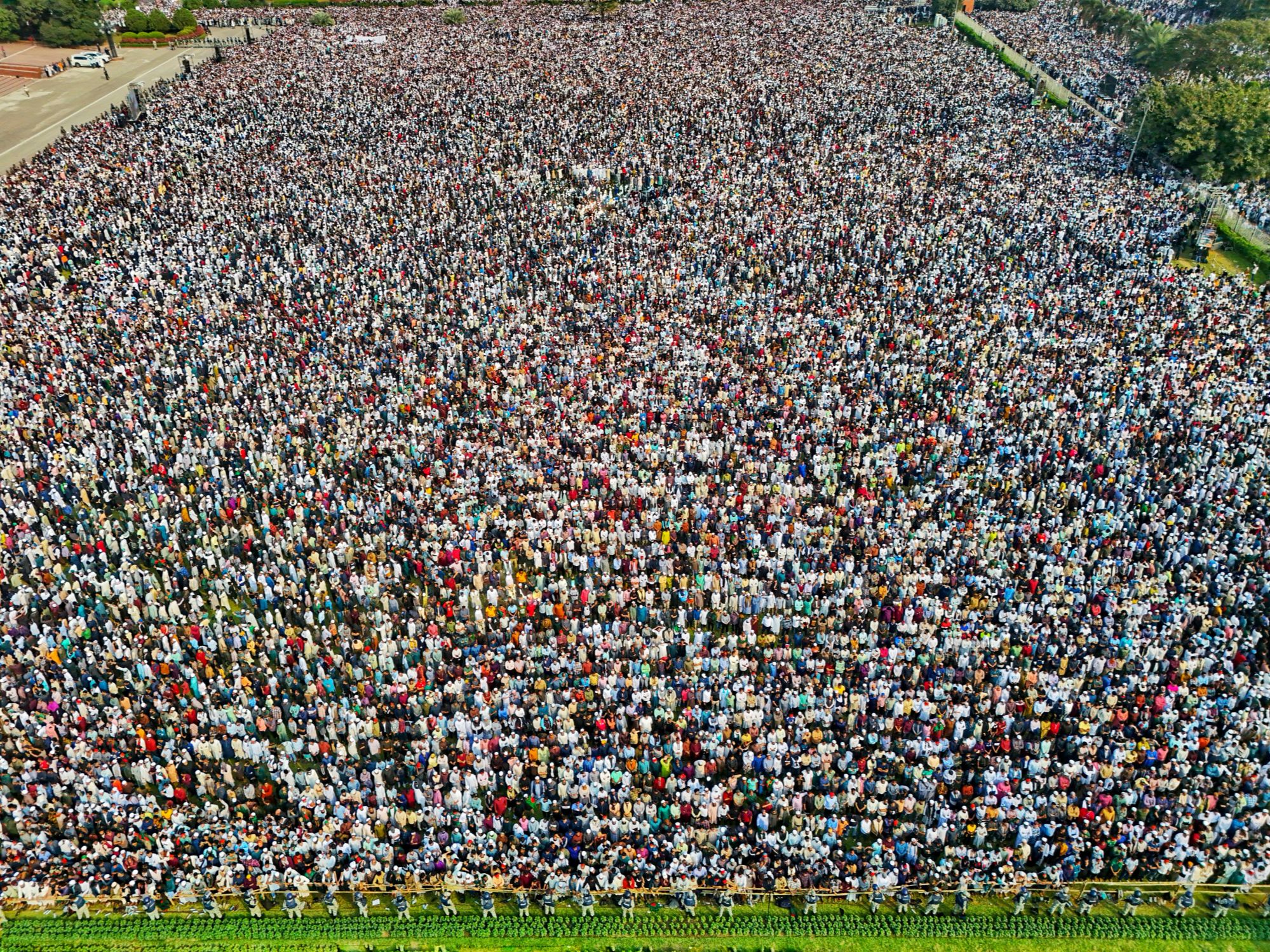
In 2024, the U.S. Census Bureau confirmed what those of us on the ground already knew: San Antonio was officially the third-fastest growing city in the United States by numeric increase. According to a landmark report by CultureMap San Antonio ("San Antonio’s population boom makes it No. 3 fastest-growing city in U.S."), our city added approximately 22,000 new residents in a single year.
Now that we are operating in the 2026 real estate landscape, those 22,000 people are no longer "newcomers"—they are the active buyers and renters driving our current balanced market. When a city adds the equivalent of a small suburb's population every 12 months, the "Selling Smart" strategy shifts from simple speculation to high-level data navigation.
Whether you are looking to sell a family estate in Stone Oak, purchase your first home in Alamo Ranch, or diversify an investment portfolio, the 2024 Census data serves as the foundation for today’s market velocity.
The "Numeric Alpha": Why San Antonio is Winning the Texas Triangle
San Antonio’s growth isn't just about sunshine and tacos; it’s about a calculated migration. While Austin and Dallas have seen massive price surges, San Antonio remains the "Affordability Alpha" of the Texas Triangle.
Adding 22,000 residents annually creates a relentless "demand floor." In a market with 5.8 months of inventory, this population influx is the only thing preventing a price correction. Instead of values dropping, we are seeing Price Stabilization. The growth is soaking up the inventory, turning what could have been a "Buyer's Market" into a "Healthy Balanced Market."
1. Impacts for Sellers: The "Exit Velocity" Strategy
If you are a seller in a neighborhood like Kinder Ranch or Deerfield, the Census data is your best friend. 22,000 new residents mean 22,000 new housing searches. However, these buyers are coming from high-tech hubs and expect a sophisticated digital experience.
-
The Tactic: In 2026, you cannot rely on "local" buyers alone. We must optimize your listing for out-of-state "Neural Search" queries. If someone in Seattle is searching for "top-rated schools and gated security in San Antonio," your home needs to be the first answer the AI provides.
-
The Goal: Capture the "Relocation Premium." Buyers moving from higher-cost-of-living areas often have more equity and are willing to pay a premium for a turn-key, "Selling Smart" optimized home that avoids the "90-Day Stall."
2. Impacts for Buyers: The "Inventory Window"
For buyers, the Census data highlights a sense of urgency. Yes, we currently have more inventory than we did in 2022, but that inventory is being actively pursued by a massive, growing population.
-
The Tactic: Use the current "Balanced" window to your advantage. While the 22,000-person surge is constant, the high interest rates of early 2026 have temporarily slowed the competition.
-
The Strategy: Focus on "Luxury Scaling." Use the current stability to negotiate Seller Concessions for a permanent rate buydown. By the time the next Census report comes out in 2027, the window for these negotiations may be closed as rates potentially normalize and the population continues to swell.
3. Impacts for Investors: The "Missing Middle" Opportunity
The CultureMap report underscored that San Antonio is maturing. We aren't just a "big small town" anymore; we are a major metropolis. This creates a massive gap in Multifamily and "Missing Middle" housing.
-
The Alpha: With 22,000 people arriving annually, the rental market in corridors like I-10 and Highway 281 is tightening.
-
The Strategy: Look for duplexes, fourplexes, or single-family homes that can be optimized for long-term holds. With a 70% reduction in new apartment deliveries in 2026, the demand for quality rental housing in top-tier school districts is at an all-time high.
 The Wildcard: The South Side Surge (Brooks & beyond)
While many focus exclusively on the North Central corridors of Stone Oak and Timberwood Park, the 2024 Census data showed significant movement toward the South Side and Brooks Base area.
With the expansion of Toyota and the Texas A&M-San Antonio campus, the South Side is the "Wildcard" for 2026. If you are an investor looking for a lower entry point with higher potential for "forced appreciation," the South Side's revitalization is where the numeric growth is meeting untapped land value.
The "Selling Smart" Verdict
In my 18 years of analyzing San Antonio real estate, I have learned that People Follow Opportunity. The 2024 Census was the signal; the 2026 market is the execution. We are in a city that is growing faster than almost anywhere else in the developed world.
If you are a Seller, you need to stand out from the 6-month inventory. If you are a Buyer, you need to secure your piece of "Military City USA" before the next 22,000 people arrive.
Ready to navigate the boom? Let’s look at the neighborhood-specific data and build a plan that maximizes the "Numeric Alpha" for your family or your portfolio.
Recent Posts

The 2026 Move-Up Guide: How to Navigate Contingent Offers in San Antonio and Stone Oak

The Stagnant Listing Cure: How to Revive a Stale San Antonio Home Sale
Competing with Volume Builders: How to Sell Your 5-to-10-Year-Old San Antonio Home for Top Dollar
The Resale Advantage: How to Outsmart and Outsell Volume Builders in Suburban San Antonio

Where to Buy Wallpaper in San Antonio (The Only Showroom Open to the Public)
Landa Park in New Braunfels: What To Do There and the Story Nobody Tells

Outsmart the $300K Squeeze: The San Antonio Starter Home Playbook for a Fast, High-Profit Sale

The VA Wealth Machine: How to Turn Your San Antonio Primary Residence into a Rental Engine

The Concession Playbook: How Seller Credits Drive Deals in San Antonio

The Title Policy Reality Check: How Title Insurance Protects Buyers—and Why Sellers Aren't Off the Hook
GET MORE INFORMATION