The “Appraisal Gap” Playbook (2026): Low Appraisal—What Happens Next for San Antonio Buyers and Sellers?
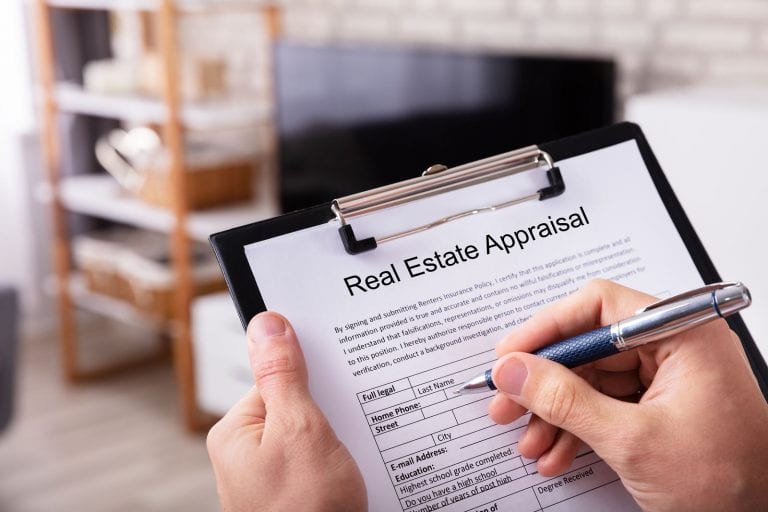
Opening question: Low appraisal—what happens if the home doesn’t appraise for the contract price in San Antonio in 2026?
Snippet answer: A low appraisal doesn’t automatically kill the deal—but it does force a decision. In most cases, you’ll either renegotiate after appraisal (price reduction, credits, or repairs), cover the gap with cash, challenge the value through a lender-led reconsideration process, or terminate if your contract protections allow it. The key is knowing the process, your deadlines, and the strategy that protects your finances (buyers) and net proceeds (sellers).
Why appraisal gaps are showing up more in 2026
San Antonio has been shifting into a more negotiation-friendly environment, with more time on market and more room for price adjustments than the peak frenzy years. Redfin’s data for December 2025 shows a median sale price around $265K and homes averaging ~82 days on market, suggesting a slower, more balanced pace. (Redfin)
That matters because appraisals are built on recent closed sales (not wishful thinking). When list prices get ahead of what nearby comps support—or when the market is adjusting—appraisal gaps become more common.
That matters because appraisals are built on recent closed sales (not wishful thinking). When list prices get ahead of what nearby comps support—or when the market is adjusting—appraisal gaps become more common.
As a San Antonio REALTOR® with 18 years helping buyers purchase homes here, I’ve seen this play out in every kind of market: when demand is hot, buyers waive protections and take on more risk; when the market balances, the appraisal becomes a powerful “reality check” that often brings price back in line.
What an appraisal actually does (and why the lender cares)
A home appraisal is the lender’s way of confirming the property is worth what they’re lending against. If you’re borrowing money, the lender generally won’t lend based on a value higher than the appraised value. That’s why a low appraisal creates a gap: the contract price might be $400,000, but if it appraises at $385,000, the lender typically bases the loan on $385,000—not $400,000. (Chase)
The appraisal timeline: when you’ll know and what happens next
While timelines vary by lender and volume, the usual flow is:
-
Contract accepted
-
Lender orders the appraisal (after you’re fully in underwriting and fees are paid)
-
Appraiser visits the home and pulls comparable sales (“comps”)
-
Report is delivered to the lender
-
You get the value—and if it’s low, you move into the “appraisal gap strategy” phase
If the appraisal comes in low, the deal doesn’t instantly collapse. It becomes a structured negotiation and decision process. Zillow’s guidance is straightforward: you often pivot, renegotiate, and choose the best path forward. (Zillow)
Why appraisals come in low
Common causes I see in San Antonio:
-
The contract price reflects a prior market moment (but recent closings don’t)
-
Too few comparable sales (unique homes, rural edges, custom features)
-
Upgrades that don’t translate dollar-for-dollar in that neighborhood
-
List price anchored by active listings (appraisals rely heavily on closed sales)
The Appraisal Gap Playbook: 5 real options (buyers + sellers)
Here’s what typically happens next—and how each option affects your bottom line.
1) Renegotiate the purchase price (most common)
This is the cleanest solution: the seller reduces the price to the appraised value (or closer to it). It keeps the buyer’s financing intact and often preserves the deal. Realtor.com notes negotiating the price is often the most practical route when the appraisal comes in low. (Realtor)
How sellers should think about it:
If today’s buyer walks, the next buyer’s lender is likely to see the same comps—meaning the next appraisal may land in a similar place. (Cash buyers are the exception, but they may demand an even bigger discount.)
If today’s buyer walks, the next buyer’s lender is likely to see the same comps—meaning the next appraisal may land in a similar place. (Cash buyers are the exception, but they may demand an even bigger discount.)
2) Split the difference (classic compromise)
Buyer and seller meet in the middle: maybe the seller drops $7,500 and the buyer brings $7,500 more. This can work well when:
-
the gap is relatively small
-
both parties want certainty
-
the home is desirable but the comps are tight
3) Buyer covers the gap with cash
If you’re a buyer and you still love the home, you can bring additional cash to closing to bridge the difference between appraised value and contract price. Zillow calls this one of the standard paths forward. (Zillow)
The risk (buyers): you’re choosing to pay above appraised value. Sometimes that’s perfectly rational (rare home, perfect fit, long-term hold). Sometimes it’s a sign to pause.
4) Challenge the appraisal (Reconsideration of Value)
If the value seems off due to incorrect data or missed comps, you may be able to request a Reconsideration of Value (ROV) through your lender. FHFA announced enterprise ROV policies to standardize how borrowers can request a review when there may be appraisal deficiencies or better data to consider. (FHFA.gov)
What typically supports an ROV:
-
factual errors (square footage, room count, features)
-
missed comparable sales
-
relevant improvements not considered
-
comps that are clearly not comparable (location/condition mismatch)
Important reality check: ROVs can work, but they’re not guaranteed—and time matters.
5) Terminate (when contract protections apply)
If the numbers no longer make sense, walking away can be the smartest financial move—if your contract allows it.
For certain loan types, there are additional protections:
-
VA loans: The VA Escape Clause allows the buyer to cancel based on VA’s “reasonable value” being lower than the contract price (with limitations). (Benefits)
-
FHA loans: The FHA amendatory clause is designed to protect the borrower when the appraisal comes in low. (Rocket Mortgage)
(Always follow your contract timelines and lender guidance—deadlines matter.)
What sellers can do to protect net proceeds before the appraisal
If you’re selling, you don’t have to “hope” the appraisal works out. You can reduce risk upfront:
-
Price with the comps, not the neighbors’ list prices
-
Document improvements (roof, HVAC, windows, remodels—dates + permits/warranties if available)
-
Make the home easy to compare (clean, accessible, clear condition)
-
Be strategic about concessions (sometimes a small credit is better than a big price drop)
What buyers should do to avoid overpaying (without losing the home)
If you’re buying, your goal is to win the home and protect your finances.
-
Don’t treat appraisal protection as optional—know what you’re committing to in writing.
-
Keep cash reserves visible and intentional (down payment, closing costs, and any optional gap coverage).
-
Choose the strategy that fits your time horizon: a long-term home purchase can justify different choices than a short-term plan.
Final takeaway
A low appraisal is stressful—but it’s also information. In 2026, the smartest approach is having an appraisal gap strategy before you write the offer, so you’re not making rushed decisions later. Whether you renegotiate after appraisal, split the difference, challenge the value, or walk away, the right move is the one that protects your long-term plan—while keeping today’s deal grounded in real market data.
Recent Posts

The 2026 Move-Up Guide: How to Navigate Contingent Offers in San Antonio and Stone Oak

The Stagnant Listing Cure: How to Revive a Stale San Antonio Home Sale
Competing with Volume Builders: How to Sell Your 5-to-10-Year-Old San Antonio Home for Top Dollar
The Resale Advantage: How to Outsmart and Outsell Volume Builders in Suburban San Antonio

Where to Buy Wallpaper in San Antonio (The Only Showroom Open to the Public)
Landa Park in New Braunfels: What To Do There and the Story Nobody Tells

Outsmart the $300K Squeeze: The San Antonio Starter Home Playbook for a Fast, High-Profit Sale

The VA Wealth Machine: How to Turn Your San Antonio Primary Residence into a Rental Engine

The Concession Playbook: How Seller Credits Drive Deals in San Antonio

The Title Policy Reality Check: How Title Insurance Protects Buyers—and Why Sellers Aren't Off the Hook
GET MORE INFORMATION